All posts
Mastering the Art of UK University Dissertations: A Comprehensive Guide
Tanay · 22 Nov 2025 · 8 min read
DissertationUK UniversitiesAcademic WritingStudy Tips

Introduction
Writing a dissertation is arguably the most significant academic challenge you will face during your time at a UK university. It requires not just knowledge of your subject, but also the ability to research independently, structure complex arguments, and adhere to strict academic standards.
Choosing the Right Topic
Your topic should be specific enough to be manageable but broad enough to allow for in-depth research. Consider gaps in current literature and ensure it aligns with your course requirements.
Structuring Your Dissertation
A standard UK dissertation typically includes: Introduction, Literature Review, Methodology, Results/Findings, Discussion, and Conclusion. Each section plays a critical role in building your argument.
The Importance of Critical Analysis
UK universities prize critical thinking. Don't just describe what others have said; analyze, critique, and synthesize their arguments to support your own.
Conclusion
With careful planning and dedication, your dissertation can be a rewarding culmination of your studies.
Check your own draft before you hand it in.
Grade my assignmentMore from the blog
20 Nov 2026· 4 min read
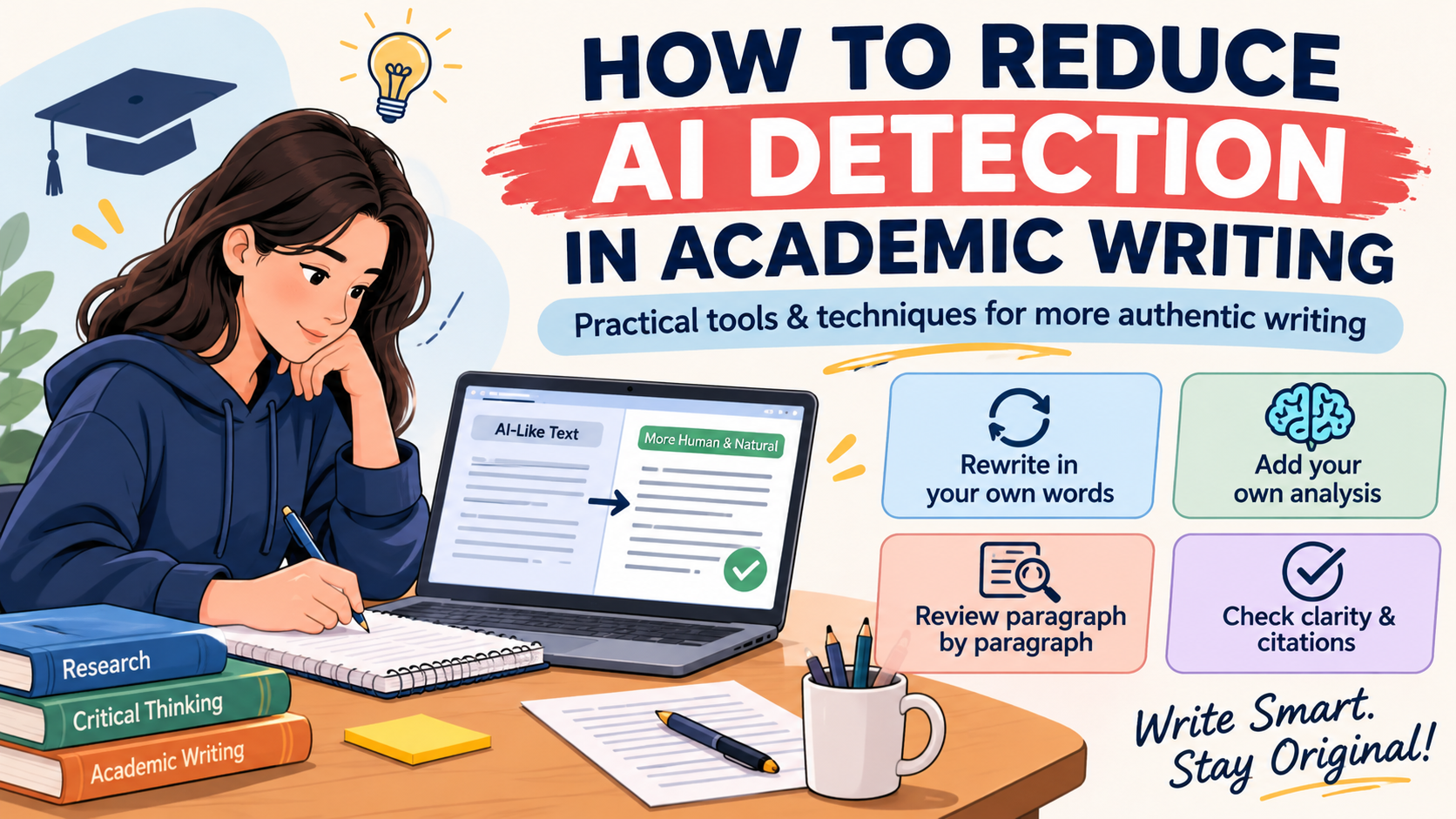
How to Reduce AI Detection in Academic Writing: Tools and Techniques Students Can Use
AI tools have become a part of academic writing, helping students brainstorm ideas, structure assignments, summarise research and improve grammar. However, with universities and publication houses increasingly using AI detection tools, students are also becoming concerned about how their submissions are evaluated. A high AI detection score doesn't necessarily mean a student has cheated. AI detectors can make mistakes, and even Turnitin acknowledges that its AI detection may misidentify human-written or AI-written text.

12 Nov 2026· 4 min read
Why Students Lose Marks Even When They Answer the Assignment Question Correctly: Understanding University Marking Rubrics
Discover why answering an assignment question correctly isn't enough to score high marks. Learn how university marking rubrics work and how to improve your academic grades.