Blog
Write it better, mark by mark
Practical advice on reading briefs, structuring essays and losing fewer marks.
Practical advice on reading briefs, structuring essays and losing fewer marks.
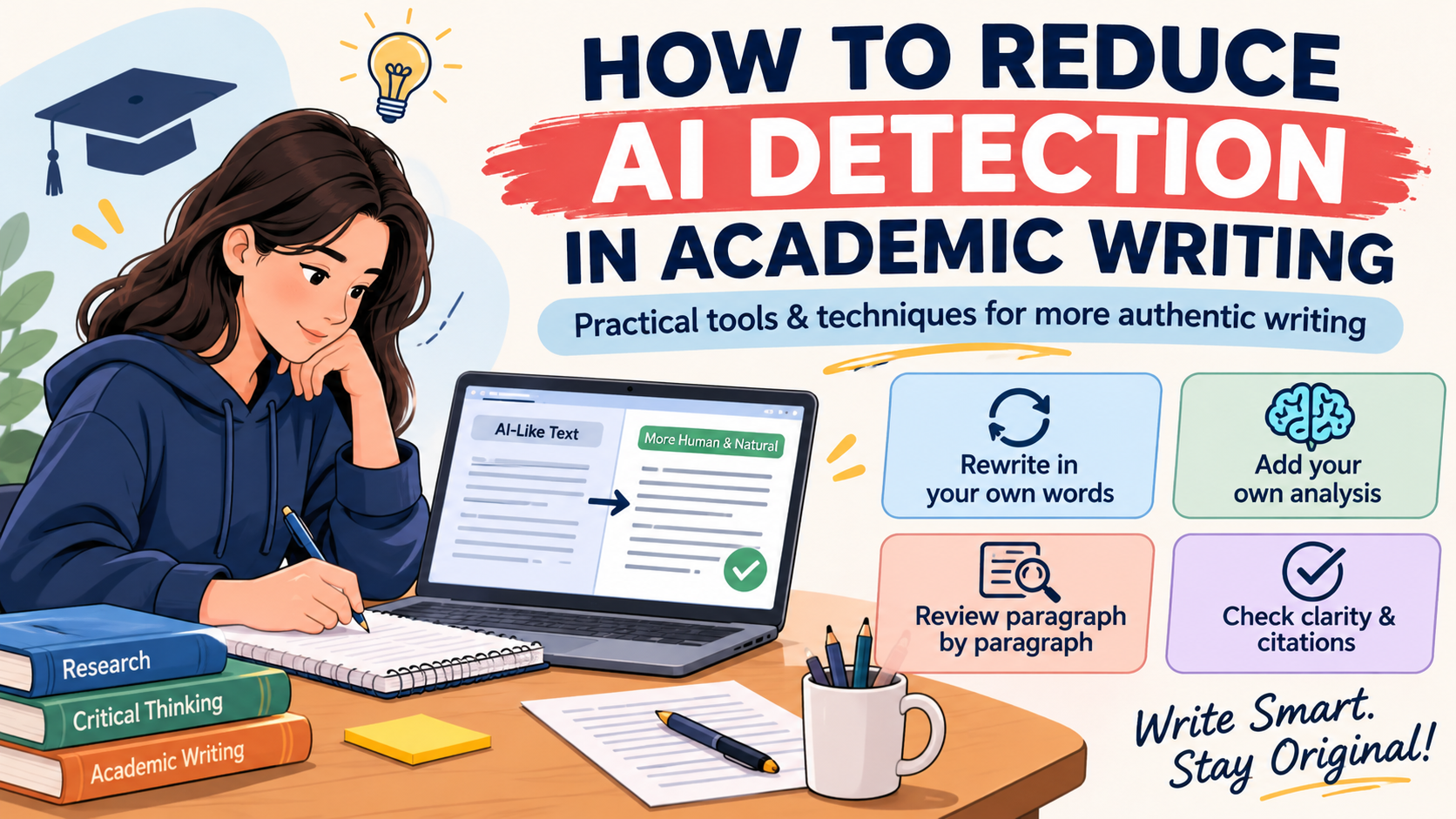
AI tools have become a part of academic writing, helping students brainstorm ideas, structure assignments, summarise research and improve grammar. However, with universities and publication houses increasingly using AI detection tools, students are also becoming concerned about how their submissions are evaluated. A high AI detection score doesn't necessarily mean a student has cheated. AI detectors can make mistakes, and even Turnitin acknowledges that its AI detection may misidentify human-written or AI-written text.

Discover why answering an assignment question correctly isn't enough to score high marks. Learn how university marking rubrics work and how to improve your academic grades.
AI tools are now part of how students research, plan and write. Used well, they cut weeks of friction out of academic work. Used badly, they put your degree at risk. This guide covers how to get the speed without giving up the authenticity of your work.
Sometimes the difference between a B and a C isn’t about effort, it’s about small mistakes that weaken your essay. Avoiding these common issues can significantly improve your grades.
Studying abroad or even at top-tier Indian universities has become more competitive than ever. With 2026 academic standards shifting toward deep critical analysis and strict AI policies, students are often left overwhelmed by massive workloads and complex rubrics.
Landing in a new country for your studies is a whirlwind of excitement, but the first time you open an "Assignment Brief" or "Module Handbook," that excitement can quickly turn into confusion. In abroad universities, especially in the UK, USA, Canada, and Australia—the guidelines aren't just "suggestions." They are a legalistic contract. If you miss a minor detail in the instructions, you can lose 10-20% of your marks before the professor even reads your first sentence.
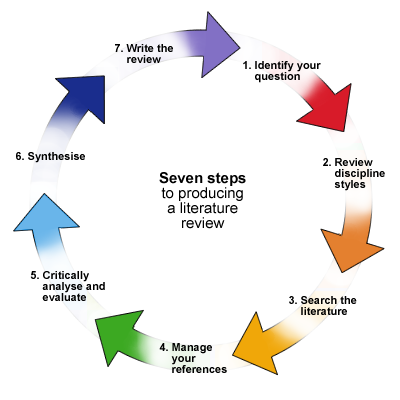
The literature review is often the most misunderstood part of a Master’s thesis. Many students treat it like a "book report" where they summarize one paper after another. In reality, a UK or US-standard literature review is a synthesis as it’s about finding the "golden thread" that connects different researchers.
In 2026, the global academic landscape has become unforgiving when it comes to plagiarism and misconduct. For international students, the stakes are no longer just about a "failing grade"—a single mistake can now derail your entire legal right to stay in the country.

If you’re studying in the UK, the grading system can feel like a total mystery. You pull an all-nighter, turn in 3,000 words you’re proud of, and get a 58% back. In the UK, that’s a "2:2"—fine, but not the "First Class" (70%+) you were probably aiming for. The thing is, for subjects like Management or Marketing, there isn't really a "right" answer. Your professors aren't just checking if you know the definitions; they’re looking for how you think. If you want to jump from a basic pass to a distinction, you have to look at your assignment the same way they do when they open it up on Turnitin.
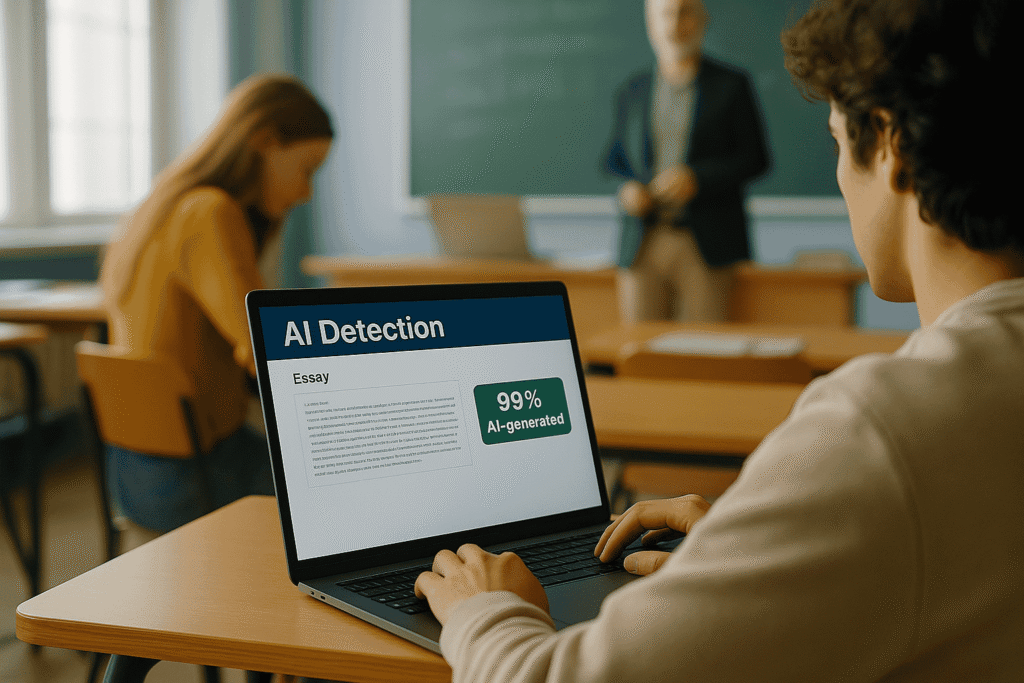
The academic landscape in 2026 has shifted. Universities are no longer asking if you use AI; they are looking at how you use it. For international students, AI tools like ChatGPT or Claude have become essential survival kits for navigating complex research and language barriers. However, there is a fine line between using AI as a scientific co-pilot and using it as a ghostwriter. If you cross that line, you risk the dreaded "Academic Misconduct" flag. To stay safe and score high, you need to master the art of smart AI integration—ensuring your work never hits that dangerous detection threshold.

Don't start an email with 'Hey'. Professional communication is a vital skill. We provide templates for asking for extensions, meetings, and feedback.

What's the difference between a BA, BSc, MA, and MSc? And what does 'Honours' actually mean? We decode the alphabet soup of UK degrees.