All posts
Smart AI Usage in 2026: Why the "20% Rule" is Your Key to Academic Success
Dr. Krati A · 20 Feb 2026 · 3 min read
AI detectionturnitinacademic integrityplagiarism
Why 20% is the Magic Number for Students
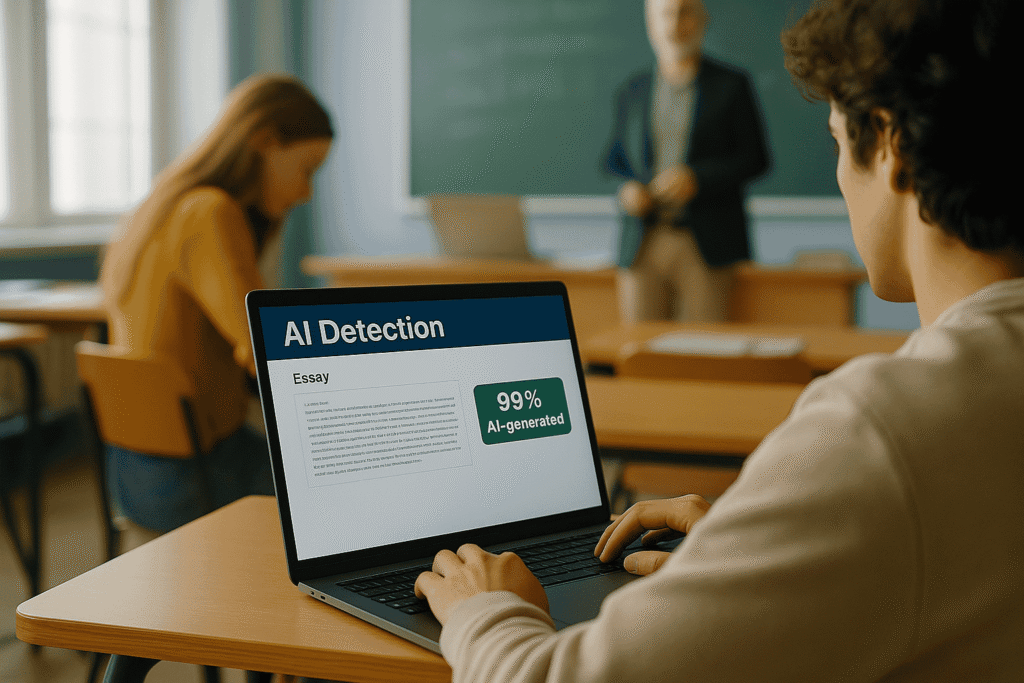
Most top-tier universities in the UK, US, and Australia now use a "Limited Use" framework. While every school is different, a score under 20% is generally considered the "Safe Zone."
Why? Because a score that low tells your professor that the AI was just a digital assistant—maybe it helped you polish a sentence or fix a comma. Once you hit 40% or 50%, it looks like the AI did the thinking for you. In the eyes of an examiner, that’s not your degree; it’s a robot’s. Plus, keeping your score low protects you from "false positives"—those annoying moments where a detector mistakenly thinks your formal academic writing is AI-generated.
How to Be "Smart" with Your Drafting
The biggest mistake students make is asking AI to "write a 2,000-word essay." That’s a one-way ticket to a failing grade. Instead, use AI for the "scaffolding." Ask it to build you a skeleton—an outline or a list of key themes—and then put the meat on the bones yourself.
Try the "Human-AI-Human" sandwich:
First, write your thoughts down in your own words. It doesn't have to be perfect English.
Next, ask the AI to clean up the grammar and flow.
Finally and this is the most important part, rewrite the AI’s suggestions back into your own voice. This breaks the predictable patterns that detectors like Turnitin are trained to catch.
The Problem with "Blind" Submissions
The scariest part of being a student is hitting that "Submit" button on the university portal without knowing what your Turnitin report will look like. Most free AI detectors you find online are, frankly, useless. They might tell you your paper is 100% human, only for your professor to call you into a meeting the next day because their professional software found a 40% match.
Why AssignOwl is the Only Real Fix
If you want to sleep soundly the night before a deadline, you need a tool that actually thinks like a professor. That’s where AssignOwl.com comes in.
In 2026, AssignOwl has become the go-to alternative for students who don't have access to Turnitin. While other sites just give you a random percentage, AssignOwl provides a high-accuracy, Turnitin-level report. It’s the only platform that gives you a deep-dive analysis of your text, highlighting exactly which sentences look too "robotic" so you can fix them before it's too late.
Think of it this way:
Generic detectors are like a quick glance in the mirror.
AssignOwl.com is like a high-definition X-ray of your assignment.
Final Check: Don’t Leave Your Grades to Chance
Your degree is a huge investment. Don't let a "lazy" AI prompt ruin your future. Use technology to help you, but always make sure the final word is yours.
Before you turn in your next paper, run it through AssignOwl.com . If your report shows you’re under that 20% mark, you can submit with total confidence. If it’s higher, you’ll have the chance to "humanize" those sections and protect your academic integrity.
Check your own draft before you hand it in.
Grade my assignmentMore from the blog
20 Nov 2026· 4 min read
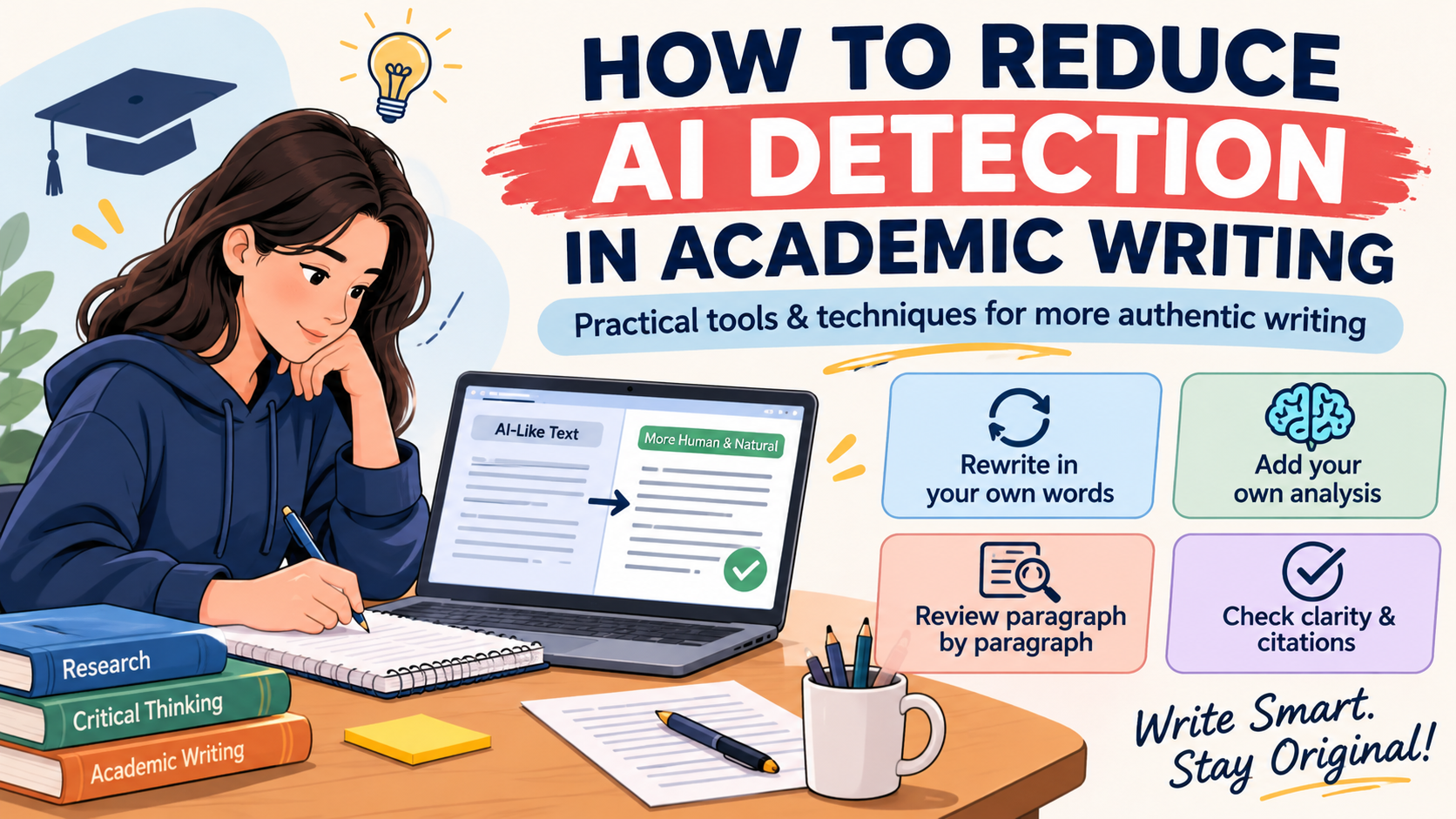
How to Reduce AI Detection in Academic Writing: Tools and Techniques Students Can Use
AI tools have become a part of academic writing, helping students brainstorm ideas, structure assignments, summarise research and improve grammar. However, with universities and publication houses increasingly using AI detection tools, students are also becoming concerned about how their submissions are evaluated. A high AI detection score doesn't necessarily mean a student has cheated. AI detectors can make mistakes, and even Turnitin acknowledges that its AI detection may misidentify human-written or AI-written text.

12 Nov 2026· 4 min read
Why Students Lose Marks Even When They Answer the Assignment Question Correctly: Understanding University Marking Rubrics
Discover why answering an assignment question correctly isn't enough to score high marks. Learn how university marking rubrics work and how to improve your academic grades.